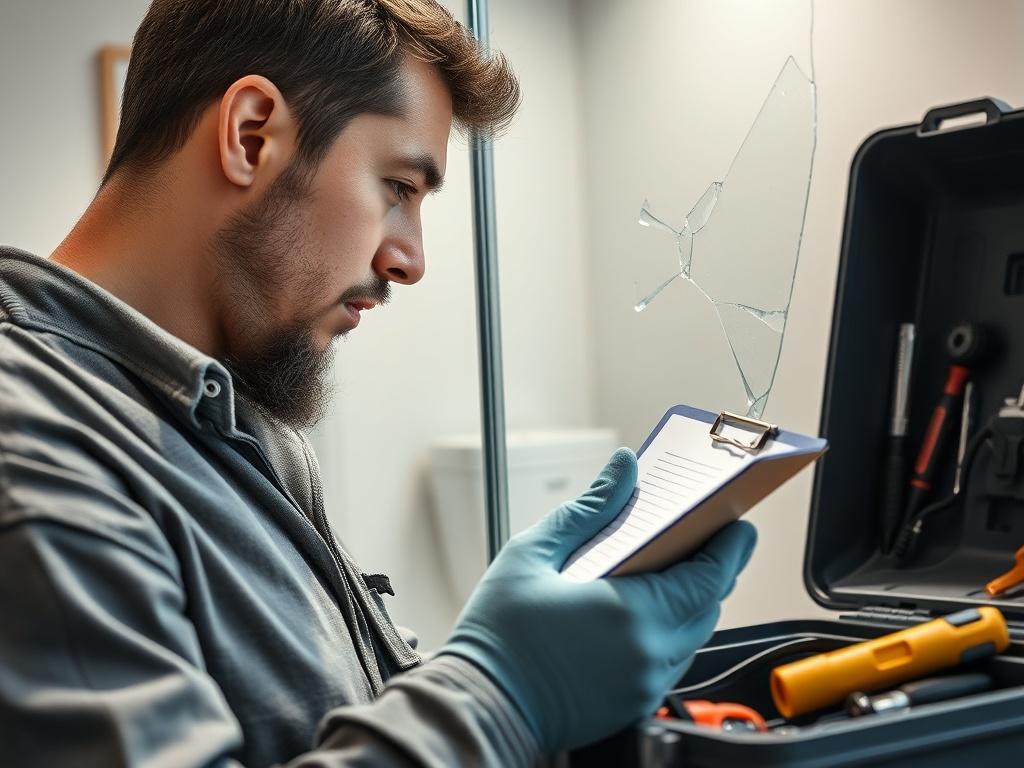
A cracked, shattered, or failing shower glass panel is more than just an inconvenience—it’s a safety concern and a sign that something else may be going on beneath the surface. While many homeowners assume shower glass replacement is as simple as swapping out the glass, a proper assessment involves much more.
Before an accurate quote can be provided, several critical factors must be evaluated. Understanding what professionals check first can help you avoid surprise costs, repeat issues, and improper installations.
The first step in replacing shower glass is understanding why it failed in the first place. Glass doesn’t usually break without a reason, and replacing it without addressing the root cause can lead to the same problem happening again.
Common causes include:
By identifying the cause, installers can recommend solutions that prevent future breakage rather than offering a temporary fix.
One of the most important—and often overlooked—steps is inspecting the surrounding walls and tile. Shower glass relies on solid, stable surfaces for proper support. If the wall behind the tile is damaged, uneven, or deteriorating, it can place stress on the glass.
Professionals check for:
If these issues aren’t addressed before replacement, even high-quality glass can fail prematurely.
Old or failing hardware is a common contributor to shower glass problems. Hinges, clamps, brackets, and tracks are exposed to daily moisture and temperature fluctuations, which can cause corrosion or loosening over time.
Before replacing the glass, installers examine:
In many cases, replacing or upgrading hardware is necessary to ensure the new glass is adequately supported and functions smoothly.
Every shower enclosure is unique. Walls are rarely perfectly straight, and even minor measurement errors can lead to improper fit or unsafe installations.
Accurate measurements account for:
Professional measurement ensures the new shower glass fits precisely, reducing stress points and improving long-term durability.
Not all shower glass is the same. The type and thickness of glass needed depend on the shower’s design, size, and mounting method.
Key considerations include:
Choosing the correct glass thickness isn’t just about aesthetics—it directly affects safety and performance.
Replacing shower glass is also an opportunity to evaluate how well the enclosure performs. Poorly installed or aging enclosures may allow water leaks, drafts, or door misalignment.
Professionals assess:
Making adjustments during replacement can improve water containment and user experience.
Replacing shower glass isn’t just about the panel itself. It’s about understanding the structure, hardware, and conditions that support it. Taking the time to assess these elements leads to safer, longer-lasting results.
At Shower Glass Doors, every replacement starts with a detailed inspection—checking wall integrity, existing hardware, and the cause of the break before providing a quote. This approach ensures each solution is tailored, accurate, and built to last.
If you’re considering shower glass replacement or have concerns about your current enclosure, contact Shower Glass Doors today to schedule an evaluation and get expert guidance you can trust.

